



How to choose a compact track loader
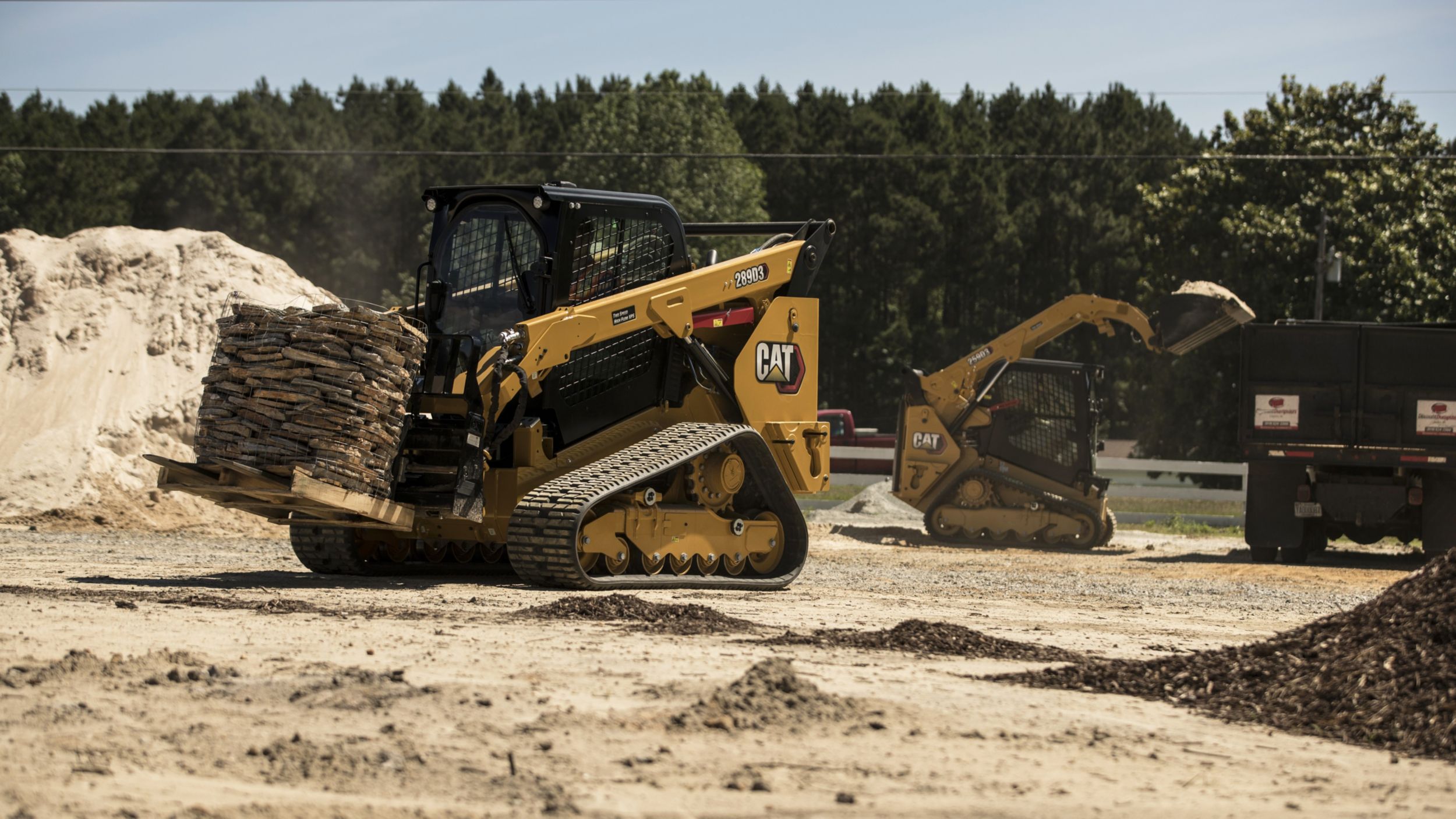
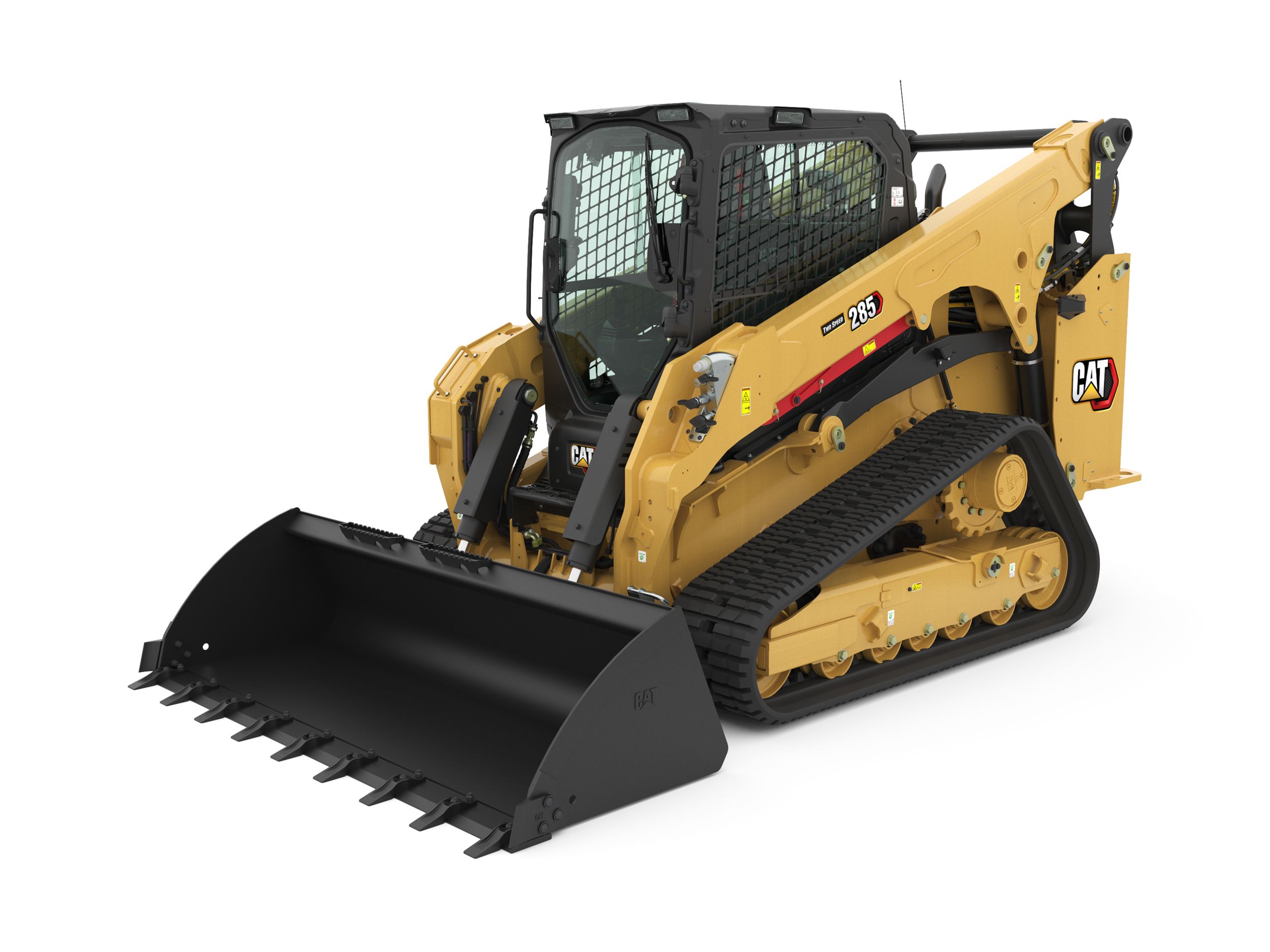
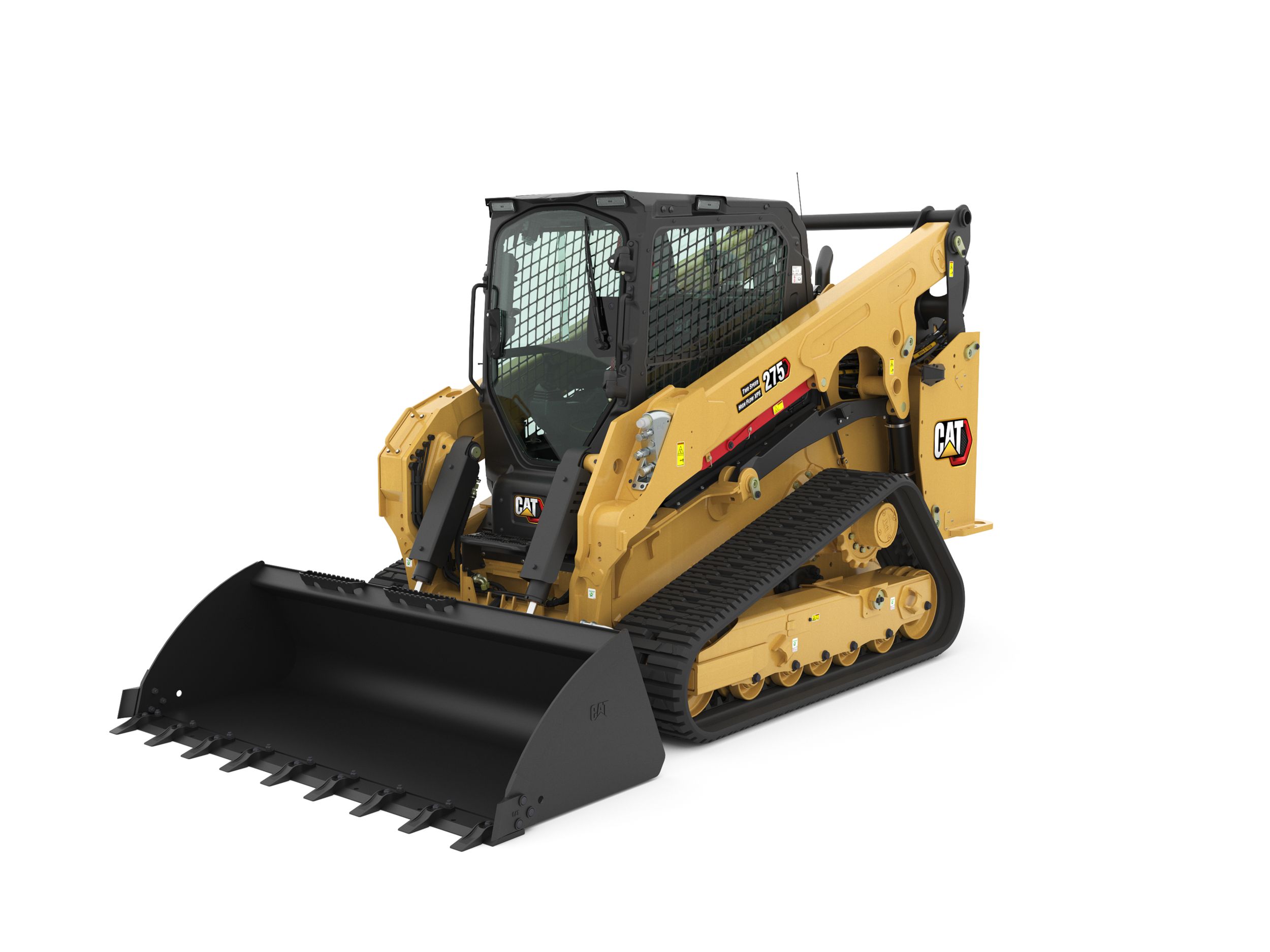
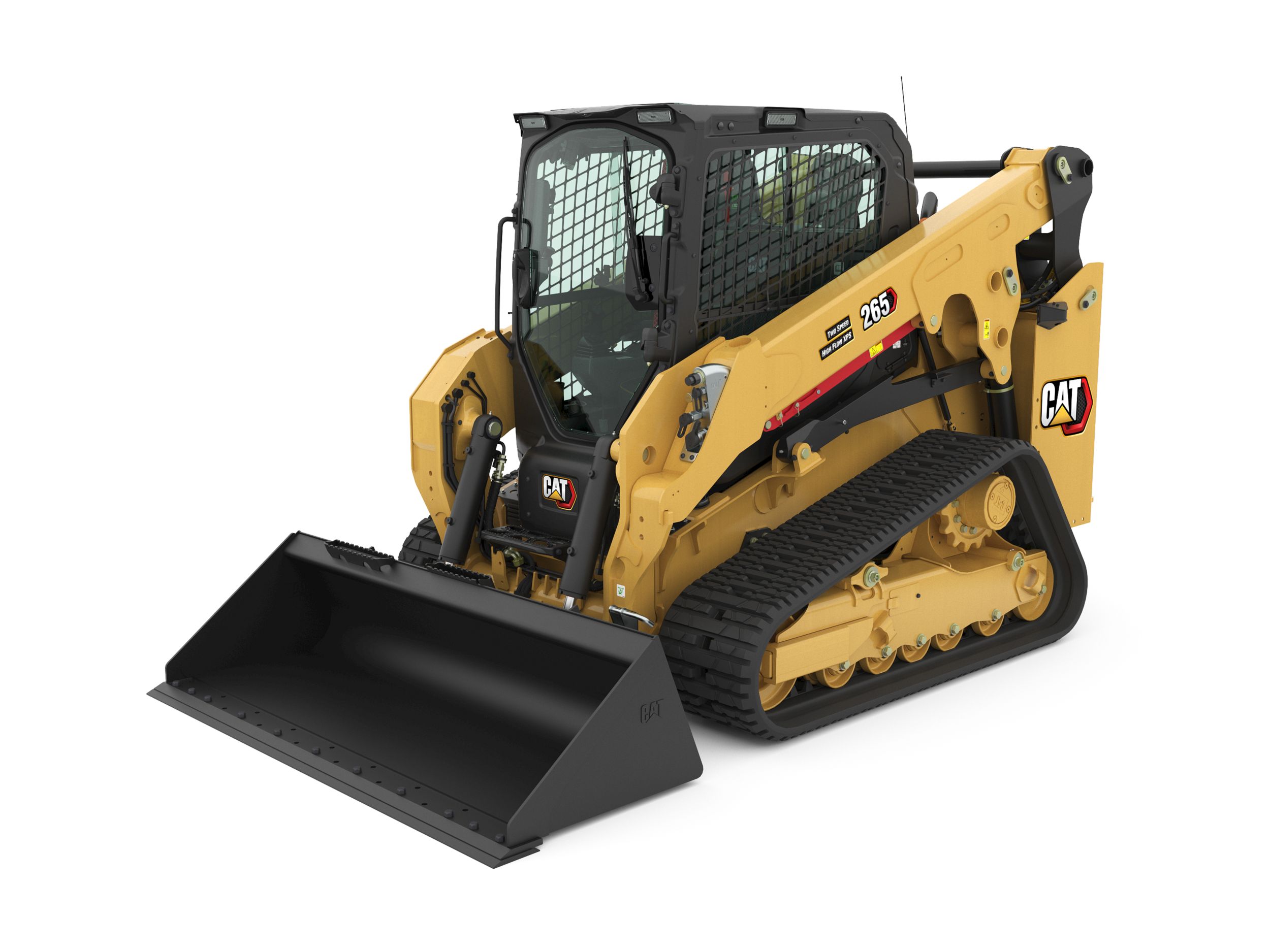
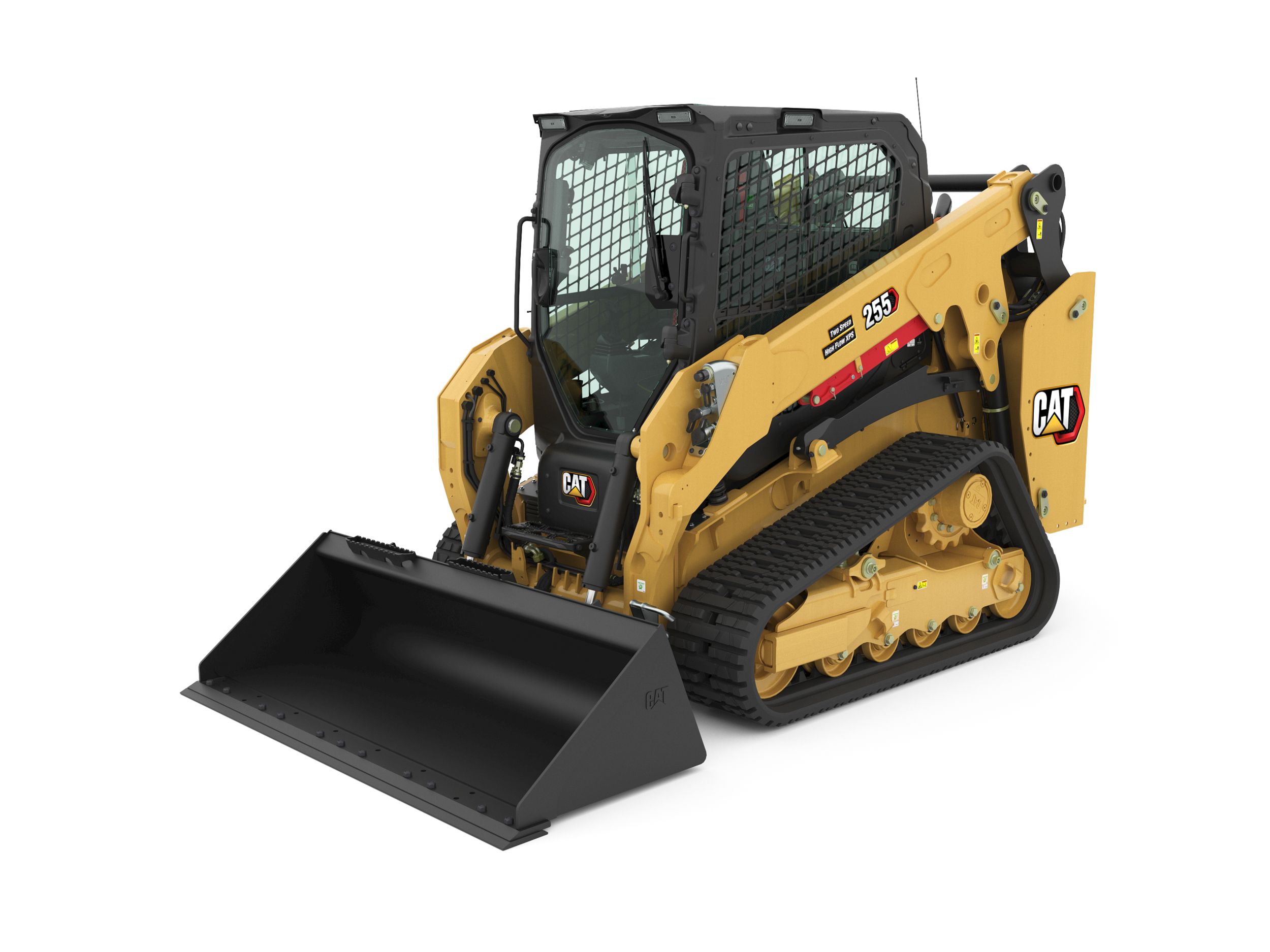
The first decision is size. Cat compact track loaders range from the Cat 255 on the lighter end to the Cat 285 and Cat 285 XE at the top of the line. As you move up in frame size, you get more operating capacity, more lift height, and a heavier machine. For most general construction, landscaping, and site prep work, a mid-range machine handles the job. If you’re regularly moving heavy material, loading trucks, or working at full reach, step up in frame size before you worry about anything else.
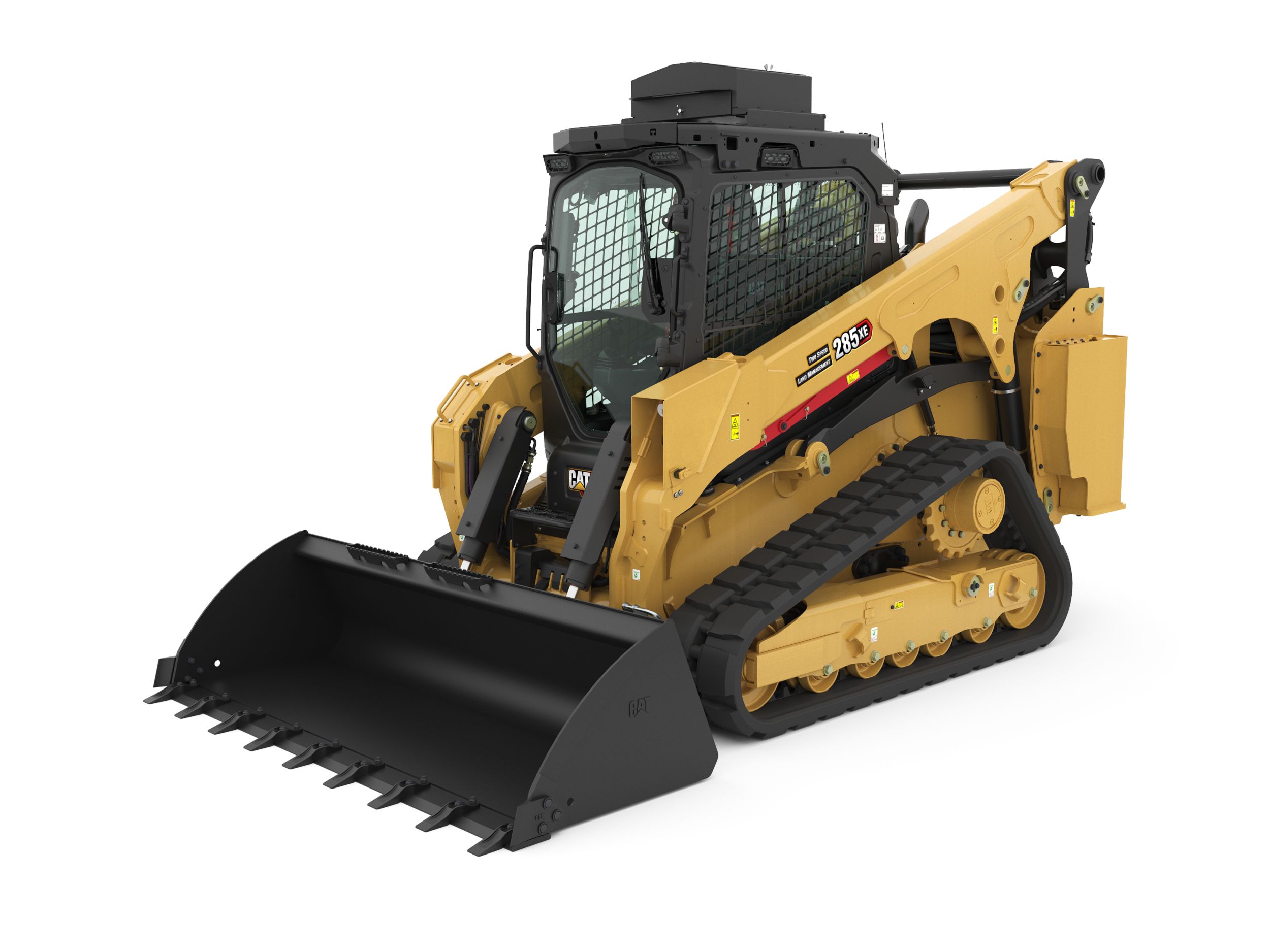
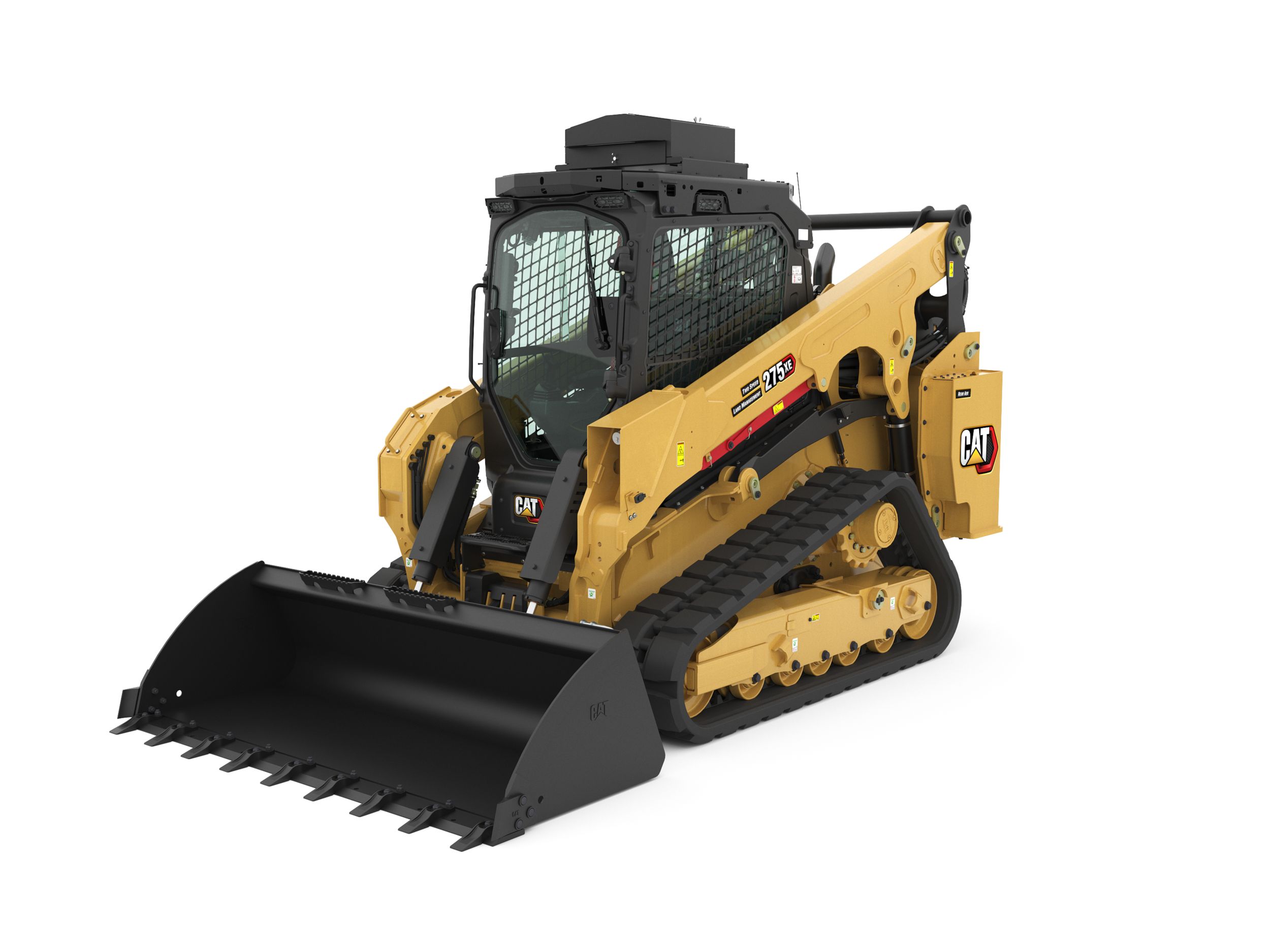
The second decision is hydraulics. The standard 275 and 285 are capable machines for a wide range of work. The Cat 275 XE and Cat 285 XE are the high-flow, high-pressure versions of those same frames built for operators who run demanding attachments. The XE hydraulic system tops out at 40 gpm and 4,496 psi, which is what you need for mulchers, cold planers, high-performance sweepers, and similar tools. If your attachment list is straightforward, such as buckets, forks, grapples, augers, a standard model is the right call and you’re not paying for hydraulic capacity you won’t use.
Types of compact track loaders
Cat’s current CTL lineup runs four frame sizes: the 255, 265, 275, and 285. Within the 275 and 285, there’s a standard configuration and an XE configuration. The standard models run at 111 hp and cover the full range of typical CTL work. The XE models step up to 122 hp (275 XE) and 121 hp (285 XE) and add Cat’s highest-flow hydraulic system in the compact track loader class. Think of standard vs. XE as a question about your attachment lineup, not your job type. The terrain and the work are the same, what changes is how much hydraulic power your tools require.
If you’re deciding between a compact track loader and a skid steer, the core trade-off is ground conditions vs. travel speed. CTLs outperform skid steers on soft, wet, or uneven ground and cause less surface damage on finished sites. Skid steers are faster to move around a hard, flat jobsite and cost less upfront. If your work involves variable terrain or you’re on soft ground more than half the time, the CTL is the right machine.
Compact track loader buying tips
Start with the ground you’re working on and the attachments you plan to run, those two factors narrow the field faster than any spec sheet. If the site is consistently soft or the surface matters, you want tracks. If you’re running high-demand attachments, look at the XE models before you assume the standard hydraulics are enough.
Undercarriage maintenance is the part of CTL ownership that catches people off guard. Rubber tracks wear faster on hard, abrasive surfaces like concrete and asphalt, minimize unnecessary travel on those when you can. Check and adjust track tension regularly, keep the undercarriage clean, and inspect for cuts or embedded debris. The undercarriage is one of the bigger long-term ownership costs on a CTL, and staying ahead of it keeps you running.
Butler Machinery’s service team supports your machine across 20 locations in North and South Dakota, with after-hours parts and equipment service available. If you have questions about which model fits your operation, contact your nearest location.
FAQs
